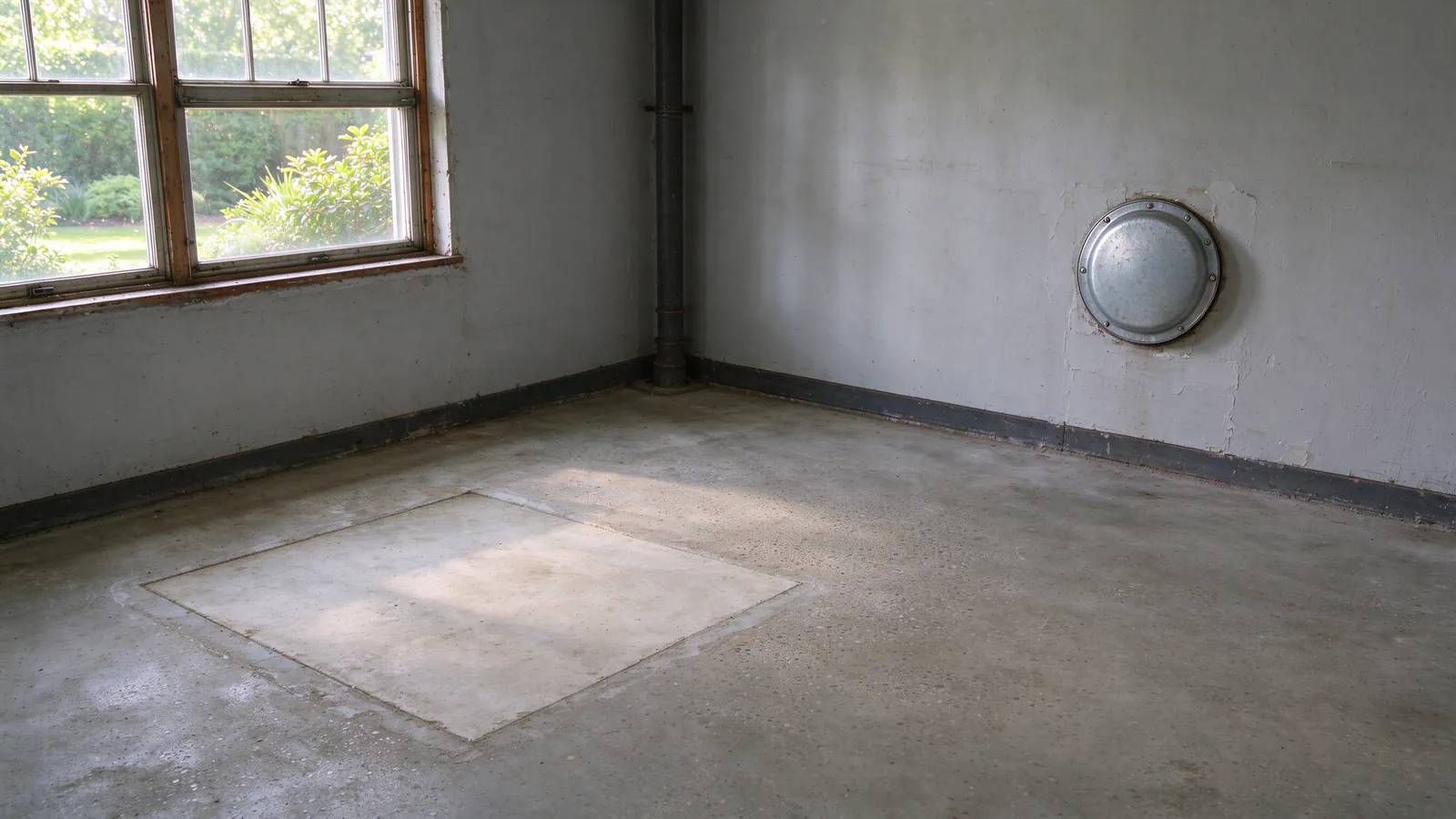
The oil furnace in the basement is loud and old, every tank fill costs more than you’d like, and the house has never had cooling. You want off oil, and you’re not sure what to do about the tank in the yard.
Replacing oil heat with a mini split puts ductless heads in the rooms the furnace heated, takes the furnace out, and gets the tank emptied as Oregon law requires. Firlands Portland Mini Splits plans the heat, removes the furnace, and schedules the tank work so nothing is left half done.
Is a mini split the right replacement for your oil furnace?
It’s a strong fit when the old ducts are small, leaky or cramped, and you want cooling and room-by-room control.
| A mini split fits well | Look at a ducted heat pump instead |
|---|---|
| Ducts are small, leaky or run through a tight basement | Ducts are sound, sized well and reach every room |
| Rooms are used differently and want their own setting | You want one thermostat for the whole house |
| The house is one-and-a-half stories with rooms under the roof | A full basement and attic make new ducts easy |
A ducted central heat pump that reuses the old ducts is a different job, and not one we do. Mini split vs central heat pump sets the two side by side.
Project
Inside a St. Johns oil-to-ductless conversion
The problem
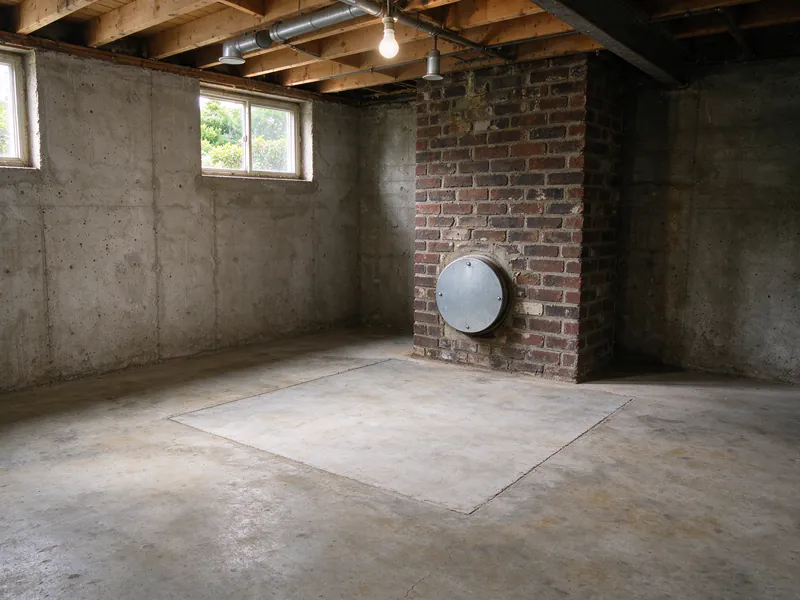
The oil furnace in the basement is old and loud, each tank fill costs more than the last, and the house has no cooling. The owner wants off oil completely.
The house
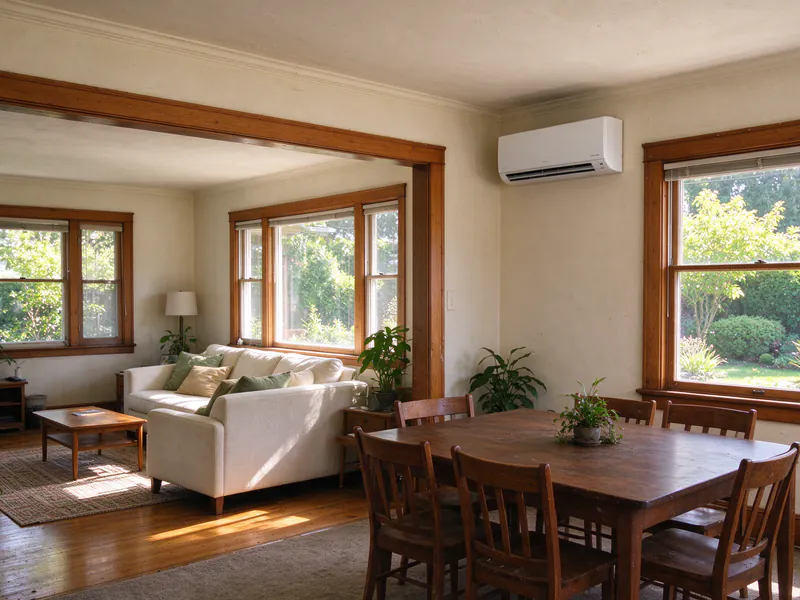
Living and dining run together on the main floor next to one bedroom; two rooms under the roof share the upstairs. The oil tank is buried in the side yard, and the house's old ducts are small, leaky and run through a cramped basement.
What we decide, and why
Three heads replace the furnace entirely: 15,000 BTU in the living and dining room, 12,000 for the upstairs rooms, which stay open to each other, and 9,000 in the main-floor bedroom. All are cold-climate models sized for Portland's 24°F design low. The bathroom keeps the small electric wall heater it already has. The owner chooses ductless over reusing the old ducts; a ducted central heat pump is a different job.
The work
The heads go in first and run for a day before the furnace comes out, so the house is never without heat. We disconnect and remove the furnace, its oil line and flue pipe, and seal the chimney opening. A new 240-volt circuit runs to the outdoor unit on a pad at the back of the house. Then the tank: we schedule a DEQ-licensed heating oil tank provider to pump it out and decommission it in place.
Oregon law requires a heating oil tank to be emptied when the house stops using it, and it's illegal to disconnect one without pumping it out. Lining the tank work up with the furnace removal means the oil line is never cut while oil is still in the ground.
What it changes
No oil deliveries, heat and cooling in every main room, and the tank provider's certification paperwork for the owner to keep for a future sale.
- Location
- St. Johns, North Portland
- House
- 1930s one-and-a-half-story, about 1,400 square feet, oil furnace and a buried oil tank
- Equipment
- Three heads (15,000, 12,000 and 9,000 BTU) on one 36,000 BTU cold-climate outdoor unit
- Price
- $16,200, permits and furnace removal included; tank work priced by the tank provider
- Time on site
- 3 days after permits, plus one day for the tank work
What happens on the first visit
We look at the house the way the furnace heated it, room by room, and then at the tank.
We measure each room, note the windows, insulation and ceiling heights, and work out each room’s load. Where a house has rooms under the roof, they swing hardest between winter and summer, and they get their own heat. Then we check:
- The panel. An oil house often has spare breaker space, and sometimes a small electrical service that needs a look.
- The outdoor spot. Side or rear yard, under five feet tall, out of the front setback.
- The furnace and flue. How they come out, and how the chimney opening gets sealed.
- The tank. Buried or in the basement, where its fill and vent pipes are, and how it’s reached.
You get a written estimate listing every head and its capacity, the outdoor unit, the line-set routes, the drains, the circuit, the furnace removal, the permits, the price and what’s not included. The tank work is priced by the licensed tank provider.
The tank: what Oregon requires
When a house stops using a heating oil tank, the tank has to be emptied. It’s illegal to disconnect one without pumping it out first.
That’s ORS 466.878, and Oregon DEQ sets out how the work is done. Homeowners can do it themselves, but anyone you hire has to be a DEQ-licensed heating oil tank services provider, who certifies the work to DEQ.
Pump-out and decommissioning
- Pump-out removes the remaining oil and is the minimum the law requires.
- Decommissioning goes further: the emptied tank is cleaned and filled in place, or dug up and removed.
- Certification from the licensed provider is the record DEQ keeps and a buyer will ask for.
Where oil heat is still common
About 1.8% of Portland homes still heat with oil, by the Census Bureau’s count. North Portland has the highest share of any district, at 2.7%, and Southeast has the most oil-heated homes by number.
How we fit it into the job
We schedule the licensed provider and line their visit up with the furnace removal. The oil line is never cut while oil is still in the tank, and the house is never without heat.
Heating the house without the furnace
When heads replace the only heat source, we size them for the coldest nights, not a mild day.
Portland’s design low is 24°F, and the January 2024 ice storm took the airport to 15°F. We choose cold-climate outdoor units by their published heating output in the cold.
- Every closed room is covered. It gets its own head or shares an open space with one.
- Rooms under the roof get attention. They lose heat fastest in January and gain it fastest in July.
- A backup stays. A small electric heater kept in the bathroom covers the rare winter repair.
Do mini splits work in cold weather? explains the ratings, and how many mini splits do I need? helps with the count.
The order of the work
The sequence keeps the house heated the whole way through.
- Permits. Mechanical for the heat pump and electrical for the new circuit.
- Heads and outdoor unit. Holes, line sets, drains, the circuit, the pressure test and vacuum.
- Run the new system. At least a day on the heads before the furnace goes.
- Furnace out. The furnace, oil line and flue pipe removed, the chimney opening sealed.
- The tank. Pumped out and decommissioned by the licensed provider.
- Finals. The city’s final inspections and the provider’s certification handed over.
What it costs
Firlands’ typical range for three or four heads is $9,000 to $18,000 and up; whole-house systems with five or more heads typically run $15,000 to $30,000 and up.
| Job | Typical range |
|---|---|
| Three or four heads on one outdoor unit | $9,000 to $18,000+ |
| Whole house, five or more heads | $15,000 to $30,000+ |
| A service upgrade if the panel can’t take it | $2,500 to $6,000 |
Furnace removal is on our estimate; the tank pump-out and decommissioning are priced by the licensed provider. Your price comes from the visit and the written estimate, with the city’s permit fees included.
Energy Trust’s ductless incentive is for homes replacing electric resistance heat, so an oil-heated house falls outside that offer; mini split rebates in Oregon lists what else is open. Mini split electric bill covers running costs.
Related jobs
If your house needs more, or less, than a straight oil swap, one of these may fit better.
- Every room, five or more heads: see whole-house mini splits.
- Only the main rooms for now: a multi-zone system can start there.
- An old house with no ducts upstairs: adding air conditioning to an old Portland house covers the choices.